
Infectious Diseases Services
Infectious Diseases: Prevent, Detect, and Defeat
Infectious diseases remain one of the greatest challenges in modern medicine.
Whether it’s a seasonal flu, emerging viral outbreak, or hospital-acquired infection, early detection and expert management can make the difference between quick recovery and serious complications.
At our Department of Infectious Diseases, we combine advanced diagnostics, global-standard treatment, and preventive strategies to control and cure infections — protecting individuals and communities alike.
What Are Infectious Diseases?
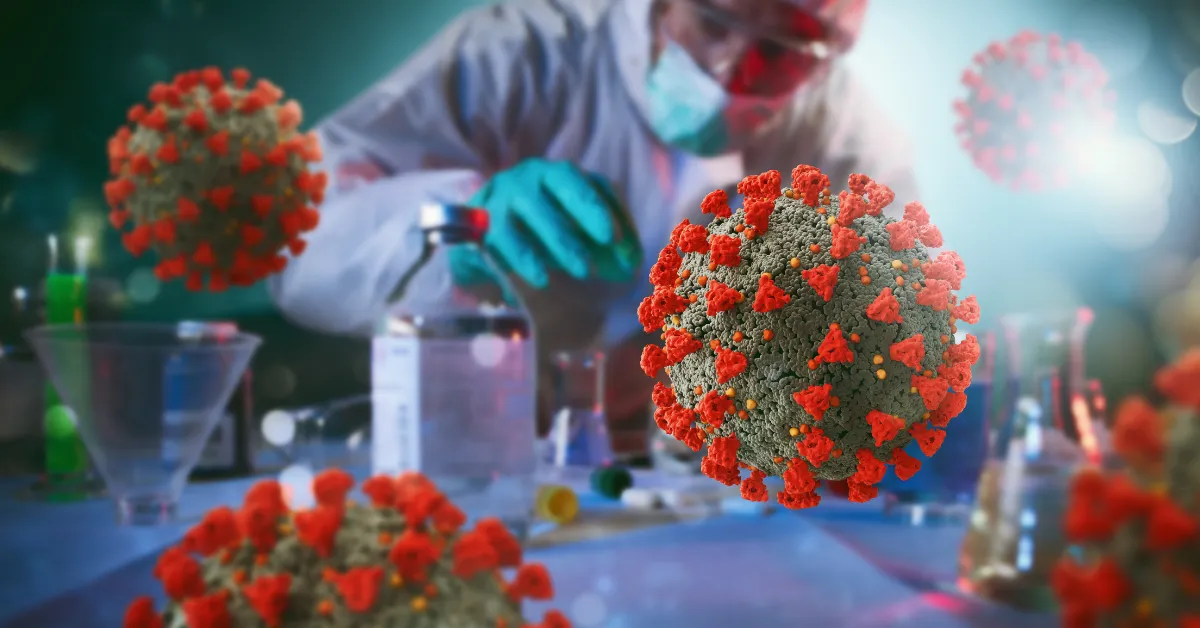
Infectious diseases are caused by microorganisms such as bacteria, viruses, fungi, or parasites that invade the body and multiply.
They may spread through direct contact, contaminated food or water, insect bites, or airborne transmission.
Some are mild and self-limiting, while others — like tuberculosis, dengue, or hepatitis — require specialized, monitored care.
Our department’s focus is not just to treat infections, but to stop their spread and prevent recurrence.
Common Conditions We Treat
We provide expert diagnosis and management for a wide range of infections, including:
- Viral Infections: Dengue, influenza, COVID-19, hepatitis A/B/C, HIV/AIDS, and viral meningitis.
- Bacterial Infections: Typhoid, tuberculosis, pneumonia, urinary tract infections (UTIs), and septicemia.
- Fungal Infections: Oral candidiasis, aspergillosis, and skin or systemic fungal diseases.
- Parasitic Diseases: Malaria, amoebiasis, and intestinal worm infections.
- Vector-Borne Diseases: Chikungunya, leptospirosis, and scrub typhus.
- Hospital-Acquired (Nosocomial) Infections: Post-operative wound infections, ventilator-associated pneumonia, and catheter-related sepsis.
We also manage immunocompromised patients — such as transplant recipients and cancer patients — who are more vulnerable to infections.
Advanced Diagnostic Capabilities
Accurate diagnosis is the first step to effective treatment.
Our microbiology and molecular labs are equipped with cutting-edge tools to identify pathogens rapidly and precisely:
- Blood, Urine, and Sputum Cultures for bacterial and fungal growth.
- PCR and RT-PCR Testing for rapid viral and genetic identification.
- Serological Tests (ELISA, IgM, IgG) for immune response detection.
- Antimicrobial Sensitivity Testing to guide the right antibiotic use.
- Fever Panel Screening for tropical diseases like malaria, typhoid, and dengue.
These diagnostics ensure patients receive the right medicine at the right time, avoiding misuse of antibiotics or delayed recovery.
Our Treatment Approach
Our Infectious Diseases specialists follow evidence-based protocols aligned with WHO and CDC standards.
We tailor every treatment plan based on the infection’s cause, severity, and patient’s immune status.
Key approaches include:
- Targeted Antibiotic and Antiviral Therapy
- Fever Management and Supportive Care
- Isolation and Infection-Control Protocols
- Vaccination Guidance and Prophylaxis
- Travel Medicine and Preventive Counseling
We also monitor patients closely for complications and drug resistance, ensuring safe recovery and reduced relapse rates.
Infection Prevention and Control
Prevention is our strongest defense.
Our hospital has strict infection-control measures including:
- Dedicated isolation wards for contagious diseases.
- Sterilization and disinfection protocols in all units.
- Hospital Infection Control Committee (HICC) monitoring antibiotic usage.
- Staff vaccination and hygiene training.
- Public education programs on hygiene, vaccination, and outbreak response.
By combining clinical care with prevention, we help protect not just our patients — but the entire community.
Emerging Diseases and Research
Our team stays updated with the latest global research on emerging infections and antimicrobial resistance (AMR).
We participate in epidemiological surveillance, outbreak investigation, and antibiotic stewardship programs, ensuring that our treatment remains both effective and sustainable.
Why Choose Our Department of Infectious Diseases
- Expert Specialists: Doctors trained in internal medicine and tropical disease management.
- Comprehensive Diagnostics: Fast, reliable lab support for accurate identification.
- Antibiotic Stewardship: Rational use of antibiotics to prevent resistance.
- Integrated Care: Coordination with pulmonology, hepatology, and critical care teams.
- 24/7 Emergency Support: For high-fever, sepsis, or acute infection cases.
- Preventive Focus: Vaccination advice and hygiene awareness programs.
Our commitment is simple — to treat infections responsibly, prevent their spread, and restore health safely.
Public Awareness and Community Outreach
Through our community health initiatives, we regularly conduct infection-awareness drives, vaccination camps, and hygiene education workshops in schools and workplaces.
We believe every infection prevented is a life protected — and that community health begins with awareness.
Frequently Asked Questions
If you have prolonged fever, unexplained weight loss, recurring infections, or poor response to antibiotics, you should see an infectious disease specialist. They identify the underlying cause and recommend precise treatment to prevent complications or antibiotic resistance.
Practice good hygiene, wash hands regularly, use safe drinking water, get vaccinated, and avoid self-medication. Maintain distance during outbreaks and follow your doctor’s travel or vaccination advice. Prevention reduces infection risk and improves community health.
Overusing or misusing antibiotics allows bacteria to adapt and become resistant. This makes infections harder to treat, requiring stronger or more expensive drugs. Responsible antibiotic use — only when prescribed — is crucial for preventing resistance and saving lives.