
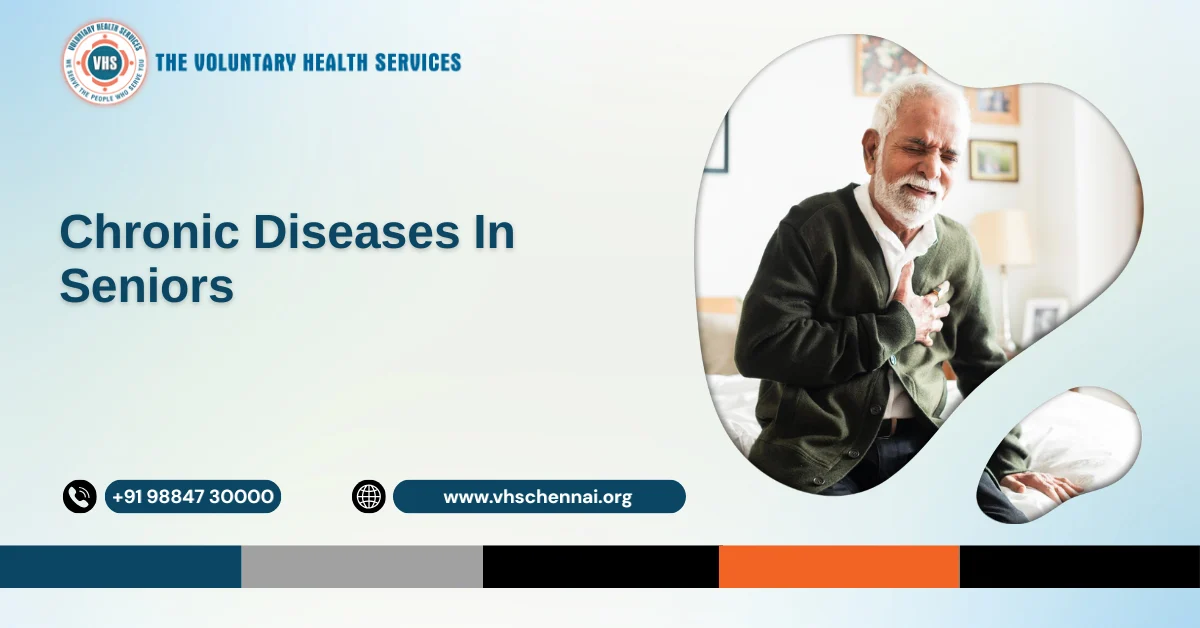
Chronic Diseases In Seniors are long-term medical conditions that develop gradually and often require ongoing medical care and lifestyle management. Unlike acute illnesses, these conditions may not have a permanent cure but can be controlled effectively with the right approach. As life expectancy increases, the prevalence of chronic illness among older adults continues to rise, making awareness and early detection essential.
At VHS Multispeciality Hospital, comprehensive geriatric care focuses on early diagnosis, preventive screening, and holistic treatment plans tailored to aging individuals. With advanced diagnostics and multidisciplinary expertise, seniors receive structured support for maintaining independence and quality of life.
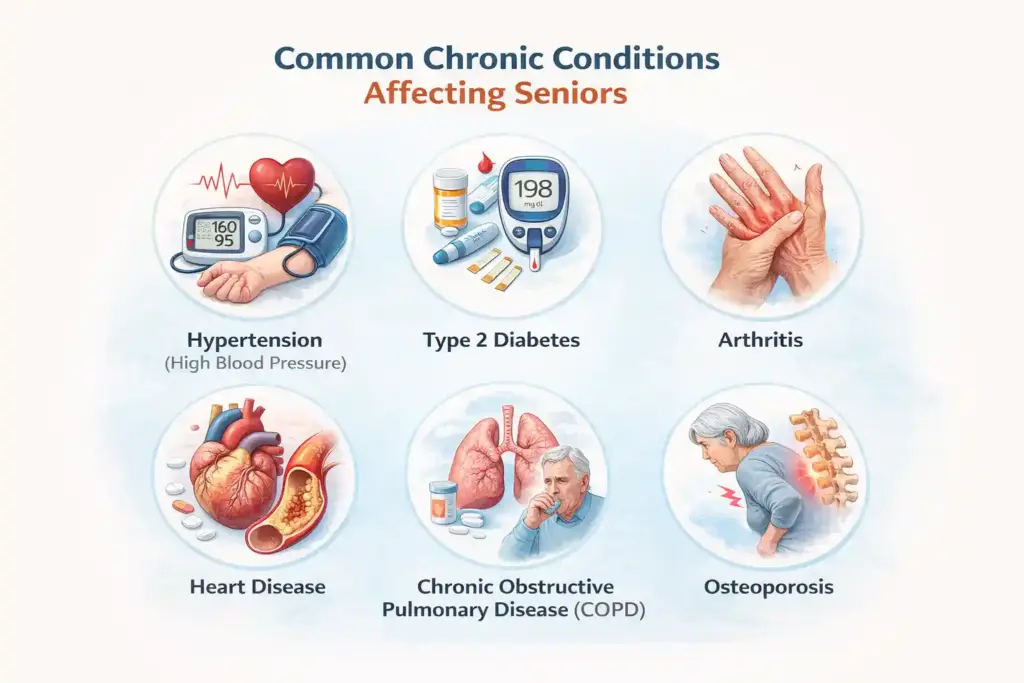
Most Common Chronic Conditions Affecting Seniors
As people age, the likelihood of developing long-term health conditions increases. These illnesses often progress gradually and may exist simultaneously, making early recognition and coordinated care essential. Understanding the most common conditions helps families support timely medical intervention and prevent complications.
Hypertension (High Blood Pressure):
High blood pressure is one of the most prevalent conditions in older adults. It often presents without noticeable symptoms but significantly raises the risk of heart attack, stroke, and kidney damage if not properly controlled. Regular monitoring and medication adherence are crucial.
Type 2 Diabetes:
This condition occurs when the body becomes resistant to insulin or does not produce enough of it, leading to elevated blood sugar levels. Poorly managed diabetes can affect the eyes, nerves, kidneys, and cardiovascular system over time.
Arthritis:
Arthritis involves inflammation of the joints, resulting in pain, stiffness, and limited movement. It can interfere with daily activities and reduce independence, especially when mobility becomes restricted.
Heart Disease:
Heart-related disorders in seniors may include narrowed arteries, reduced pumping efficiency, or irregular heart rhythms. These issues can lead to chest discomfort, fatigue, or breathlessness and require consistent medical supervision.
Chronic Obstructive Pulmonary Disease (COPD):
COPD is a long-term lung disorder that makes breathing difficult. Symptoms such as chronic cough, wheezing, and shortness of breath may gradually worsen, particularly in individuals with a history of smoking.
Osteoporosis:
This condition weakens bone density, making fractures more likely, even with minor falls. It is especially common in postmenopausal women but can affect men as well.
Together, these conditions represent a significant portion of Chronic Diseases for Older Adults. They frequently coexist, increasing treatment complexity and highlighting the importance of comprehensive, ongoing care strategies
Risk Factors That Increase Chronic Illness in the Elderly
Several factors contribute to the development of Chronic Diseases In Seniors, and while some are inevitable, others can be modified with conscious lifestyle changes. Natural aging leads to physiological changes that may weaken organ function and immunity over time. A sedentary routine, unhealthy eating patterns, excess body weight, and habits such as smoking or frequent alcohol intake significantly increase health risks. Genetic predisposition can also make certain individuals more vulnerable to long-term illnesses. In addition, ongoing psychological stress may worsen existing conditions or trigger new ones. Recognizing these influences early plays a vital role in Managing Chronic Conditions in Older Adults and reducing the likelihood of serious complications.
Early Warning Signs Families Should Watch For
Many chronic illnesses develop silently. Recognizing early symptoms can prevent long-term damage.
- Persistent fatigue or weakness
- Sudden weight loss or gain
- Shortness of breath
- Frequent urination or excessive thirst
- Memory changes or confusion
- Ongoing joint pain
- Swelling in legs or ankles
Ignoring these signs may allow Chronic Diseases In Seniors to progress unnoticed. Family awareness significantly improves early diagnosis outcomes.
Importance of Regular Health Screenings After 60
Preventive healthcare becomes increasingly important after the age of 60. Routine screenings help detect diseases before symptoms appear.
Recommended screenings include:
- Blood pressure monitoring
- Blood sugar testing
- Lipid profile (cholesterol levels)
- Bone density scans
- Cancer screenings (breast, prostate, colon)
- Eye and hearing assessments
Regular checkups allow physicians to initiate Chronic disease management in the older adult population before complications arise. Early detection reduces hospitalization rates and improves long-term health stability.
Lifestyle Strategies to Improve Quality of Life
While medical treatment is essential, lifestyle modifications significantly reduce the burden of Chronic Diseases In Seniors.
Balanced Nutrition: A diet rich in fruits, vegetables, lean protein, and whole grains supports metabolic health.
Physical Activity: Low-impact exercises such as walking, yoga, and stretching maintain joint flexibility and cardiovascular strength.
Medication Adherence: Following prescribed treatments consistently prevents disease progression.
Mental Wellness: Social interaction and cognitive stimulation reduce depression and cognitive decline.
Adequate Sleep: Proper rest supports immune and metabolic function.
When combined with professional medical guidance, these strategies enhance overall well-being and independence.
When to Seek Medical Attention
Immediate medical consultation is necessary if a senior experiences:
- Chest pain or pressure
- Sudden weakness on one side of the body
- Severe breathlessness
- Uncontrolled blood sugar levels
- Recurrent falls
- Sudden confusion or speech difficulty
Prompt intervention can prevent severe complications related to Chronic Diseases In Seniors and improve recovery outcomes.
Conclusion
The growing prevalence of Chronic Diseases In Seniors highlights the importance of preventive care, timely diagnosis, and structured treatment planning. With appropriate lifestyle modifications, family support, and expert medical supervision, many chronic conditions can be effectively managed to maintain independence and dignity in later years.
At VHS Multispeciality Hospital, specialized geriatric services integrate advanced diagnostics, multidisciplinary expertise, and personalized treatment pathways. By focusing on early detection and comprehensive care, the hospital ensures seniors receive the medical attention needed for healthier and more fulfilling lives.